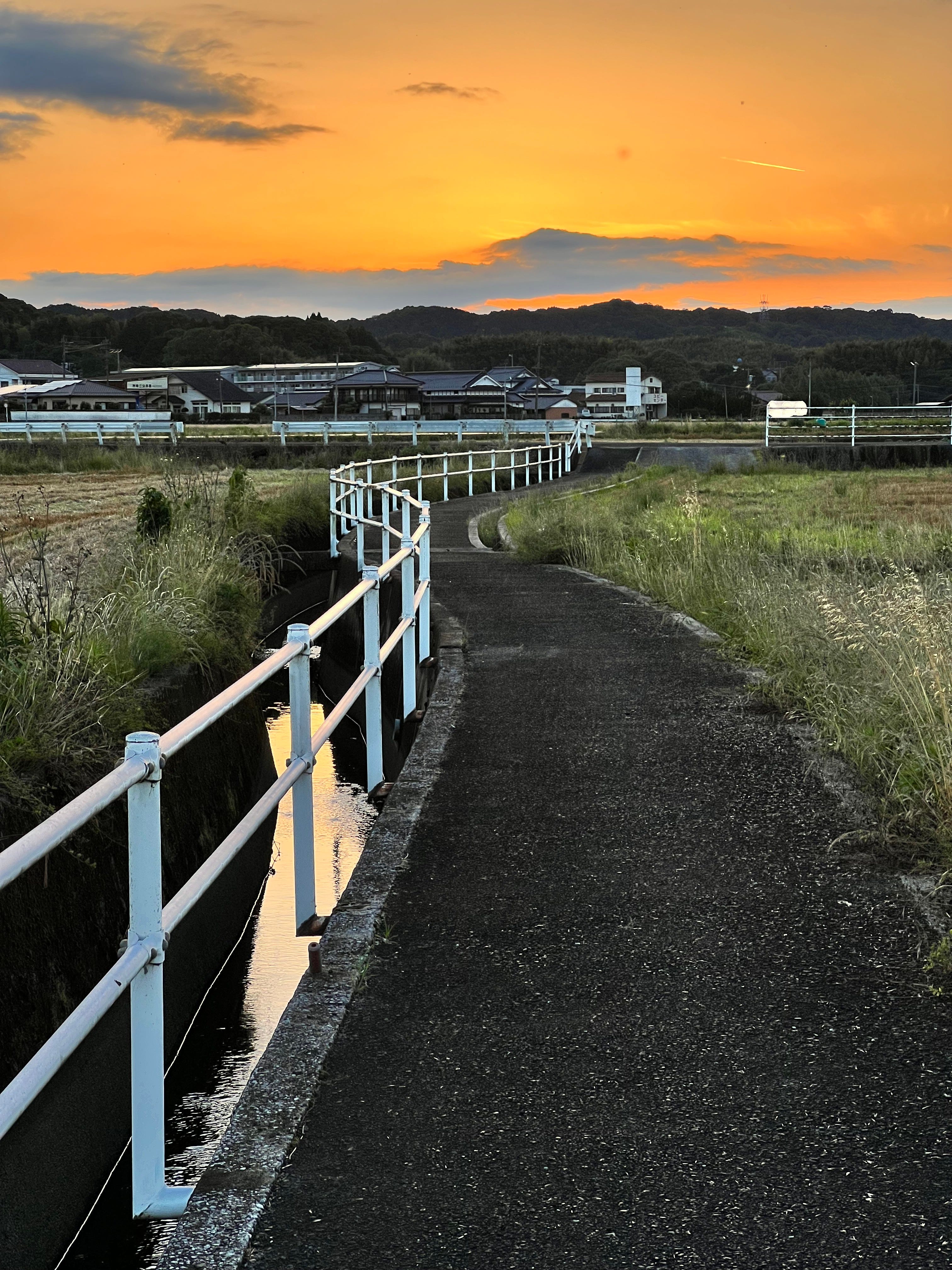
The other evening I walked around the fields. I felt rather wistful — missing my family.
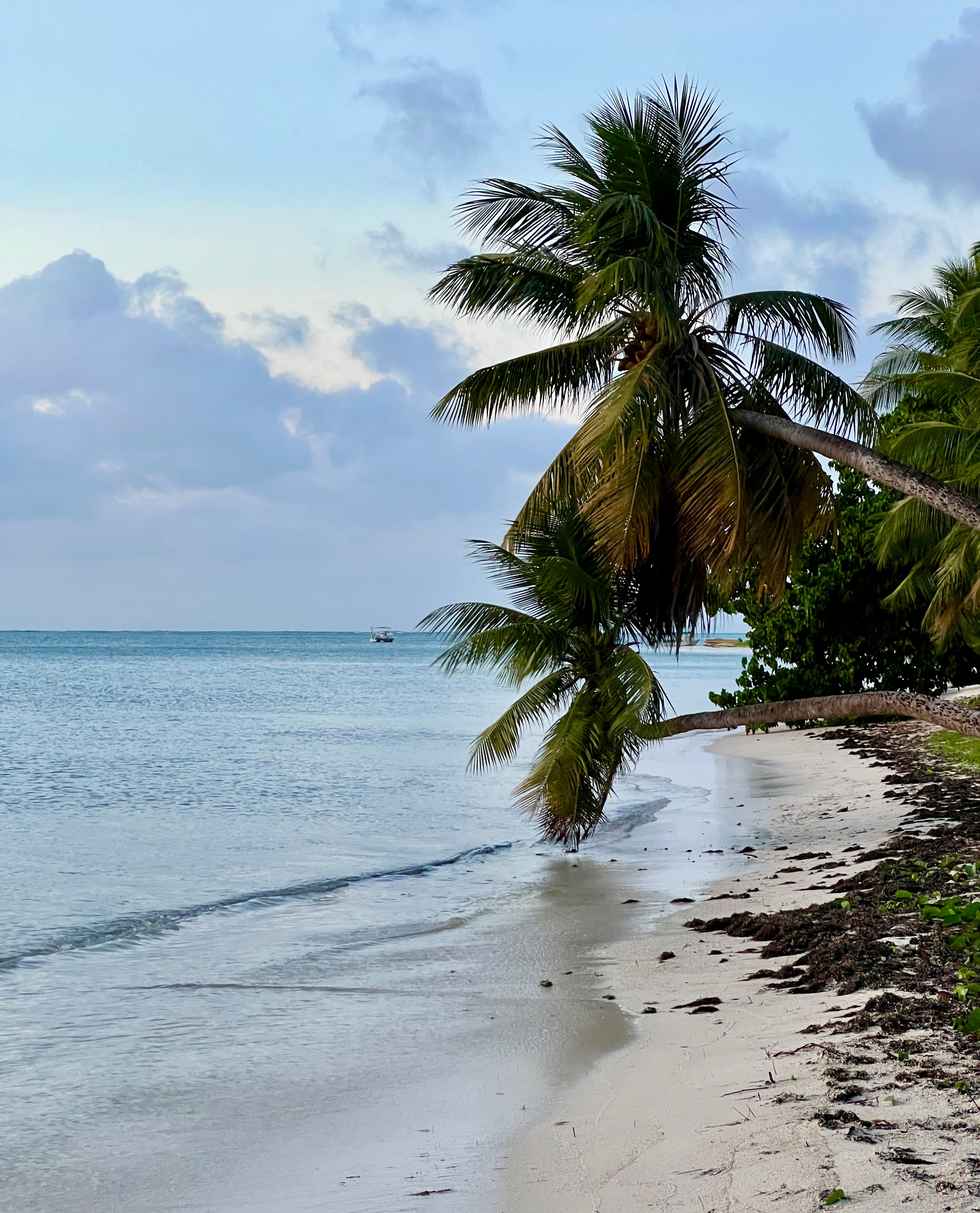
We call Saipan home. Life there was lived over the span of about 40 years. We raised our kids, watched them build families of their own, and were blessed with grandchildren. It was a wonderful life — full of dear friends, countless memories, and evenings gathered after work at a beachside pub, toes in warm sand, a cold drink, and so much laughter.
So why did we ever move?
Saipan didn’t push us out all at once. It was a slow erosion. Medical services declined. Laws were passed prohibiting non-indigenous people from owning land. The economy contracted — wages low, jobs scarce, utilities eye-watering. Electricity runs over fifty cents per kilowatt hour on a tropical island that is always hot and humid. A monthly bill can reach three or four hundred dollars. Life there became harder and harder to sustain with any dignity or security.
So we came to Japan — to my husband’s hometown, a small rural village in Kyushu. And after fifteen years, we are still not fully settled — physically yes, but our hearts are still in Saipan. Tears are not uncommon. The current economy means we can’t even visit as often as we’d like. There is a constant ache we carry. And yet we are so thankful for FaceTime, WhatsApp groups, and social media — being able to share pictures and videos, to see faces, to stay woven into each other’s lives across the distance.
But we have to live here where we are. We can’t deconstruct. We can’t implode or fall apart. So we’ve had to learn to lean into the blessings.
And there are blessings. We are grateful for family here too — roots that go deep in this place. We plant rice and have found that leaning into the natural rhythm of life here has helped more than we expected.
We inherited a tiny home — one bedroom, a galley kitchen, a living and eating area, a small toilet room, a small bath, and an eight-mat tatami room. We’ve turned the bedroom into an office and library. We sleep on futons in the tatami room, tucking them away each morning so the space can breathe and be used through the day. When a small inheritance came to me after my parents passed, we used it to brighten the place up. It’s now light and cottage-like, and it is ours.
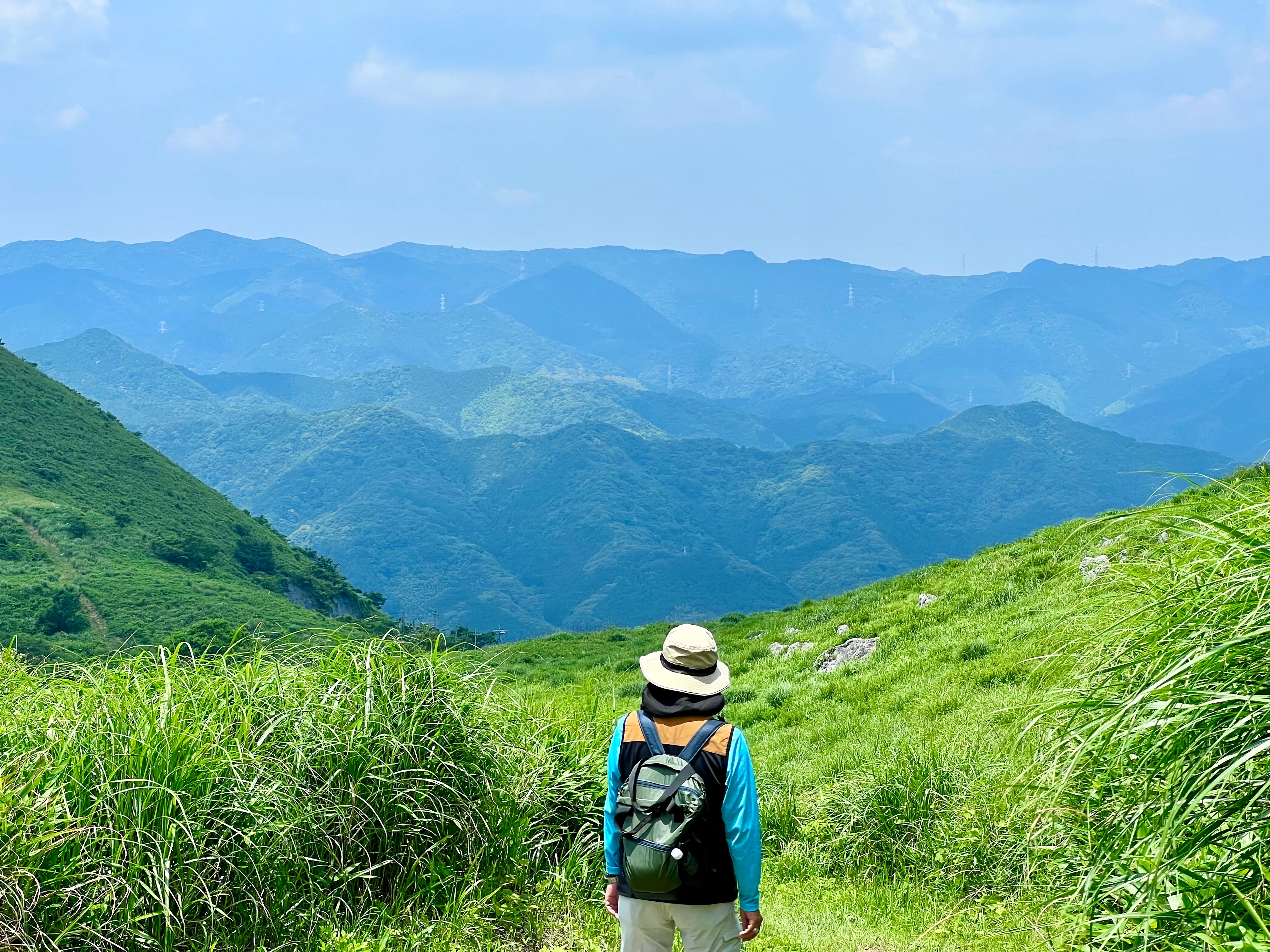
We’ve taken up trekking and nature walks. We go on small road trips, stopping at roadside stations, wandering through towns we’ve never seen. We bought used skis and started skiing — there’s a beginner-friendly hill not far away and it costs almost nothing. Rural Japan is rich with culture, mountains, rivers, forests, and historical sites. There is so much to enjoy here, if you plan a little and do some research.
The alternative is wasting away — becoming old, frail, and depressed. We can’t do that to our children.
And so that evening, standing in the fields as the sky turned gold and the canal caught the last of the light, I thought: this is my life now. It isn’t the one I planned. But it is a life. Our life. And we are living it.


No comments:
Post a Comment